What to Know Before Buying Palm Springs Midcentury Homes
July 16, 2026
July 16, 2026
Buying a Palm Springs midcentury home can feel exciting at first glance. The rooflines are iconic, the walls of glass are dramatic, and the indoor-outdoor flow seems made for desert living. But before you fall in love with a pool view or a butterfly roof, it helps to understand how these homes were designed, how they live today, and what ownership can really involve. Let’s dive in.
In Palm Springs, midcentury homes are best understood through the local lens of Desert Modernism. City planning and cultural resource materials describe this style as a response to the desert landscape and climate, not just a design trend.
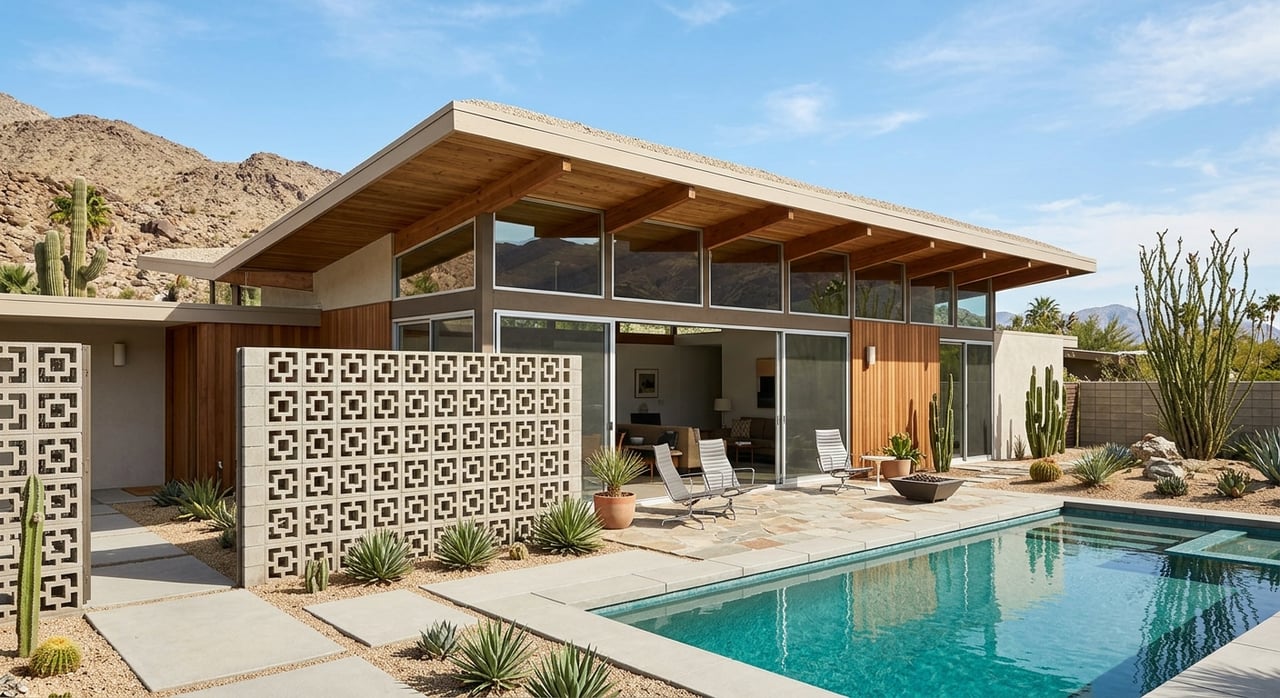
That means the architecture is rooted in function as much as appearance. Clean lines, flat or expressive low-slung roofs, glass walls, natural materials, and unornamented facades all work together to suit the environment. In Palm Springs, modern architecture is part of the city’s identity, and the city specifically recognizes it as one of its defining features.
Many buyers expect one standard “midcentury modern” look. In Palm Springs, the reality is more varied and more local.
The city’s architectural story is tied to important developers and designers, including the Alexander Construction Company, Palmer & Krisel, Albert Frey, and E. Stewart Williams. That history matters because many homes are valued not only for their style, but also for where they fit in Palm Springs’ broader design legacy.
If you are touring Palm Springs midcentury homes, several design elements show up again and again. These features are part of the original design logic, not just visual flair.
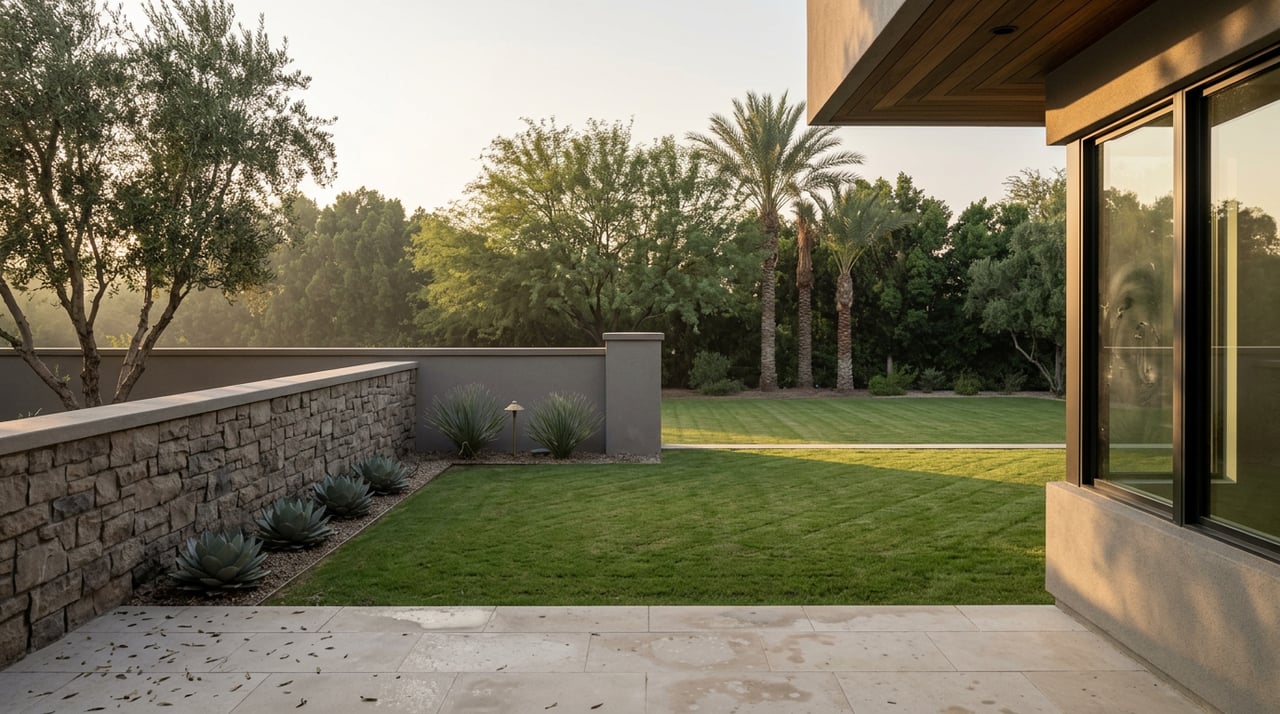
One of the biggest visual clues is the connection between inside and outside. In Palm Springs, that flow is often a core part of the floorplan, not a later renovation.
A Palm Springs midcentury home often lives differently than a newer home. Many are one story, organized around efficient plans instead of formal room-by-room layouts.
In several locally documented examples, living and dining spaces open toward the back of the lot, where patios, pools, and mountain views may sit. Service spaces such as kitchens, utility functions, and other practical areas are often tucked into the center of the plan.
That layout can feel very natural once you experience it in person. The public spaces tend to pull you outward, while the rest of the home stays compact and purposeful.
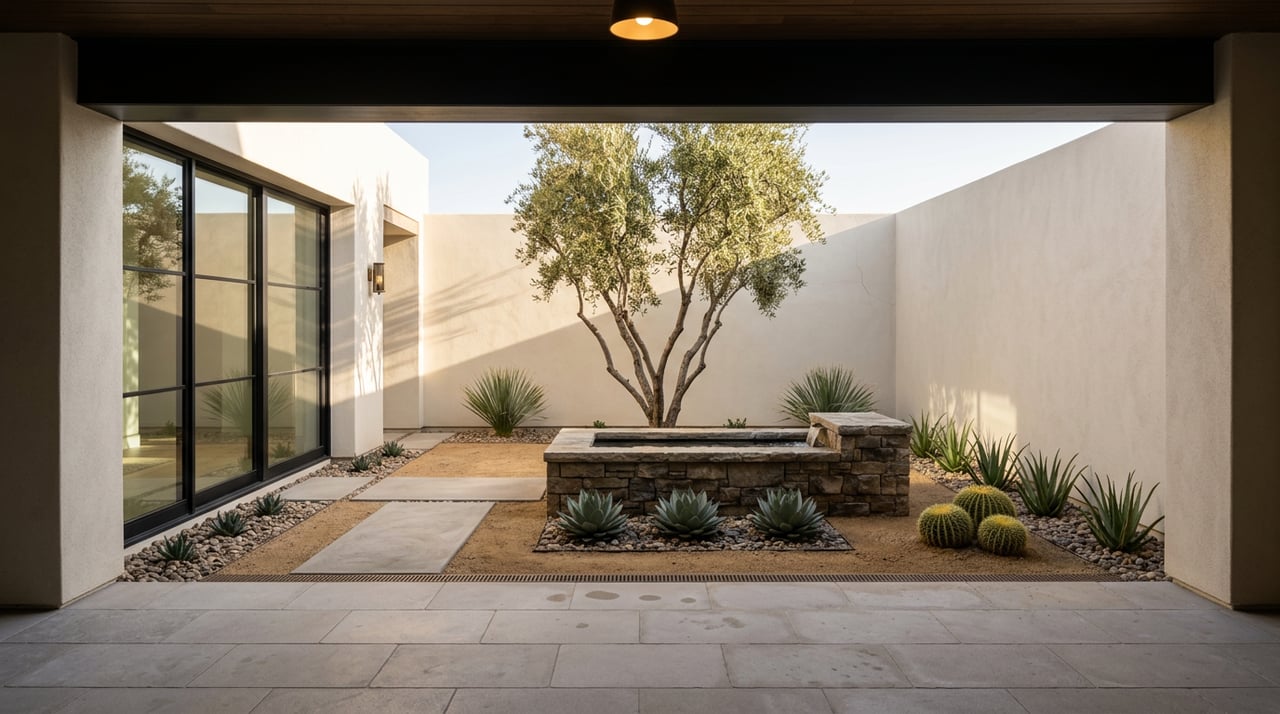
Some post-and-beam homes were designed to preserve privacy while still opening up to views. That balance is one reason these houses can feel calm and sheltered even when they use so much glass.
As you tour, pay attention to how the house faces the lot. A home that appears modest from the street may open dramatically at the rear, which is a very Palm Springs way of living.
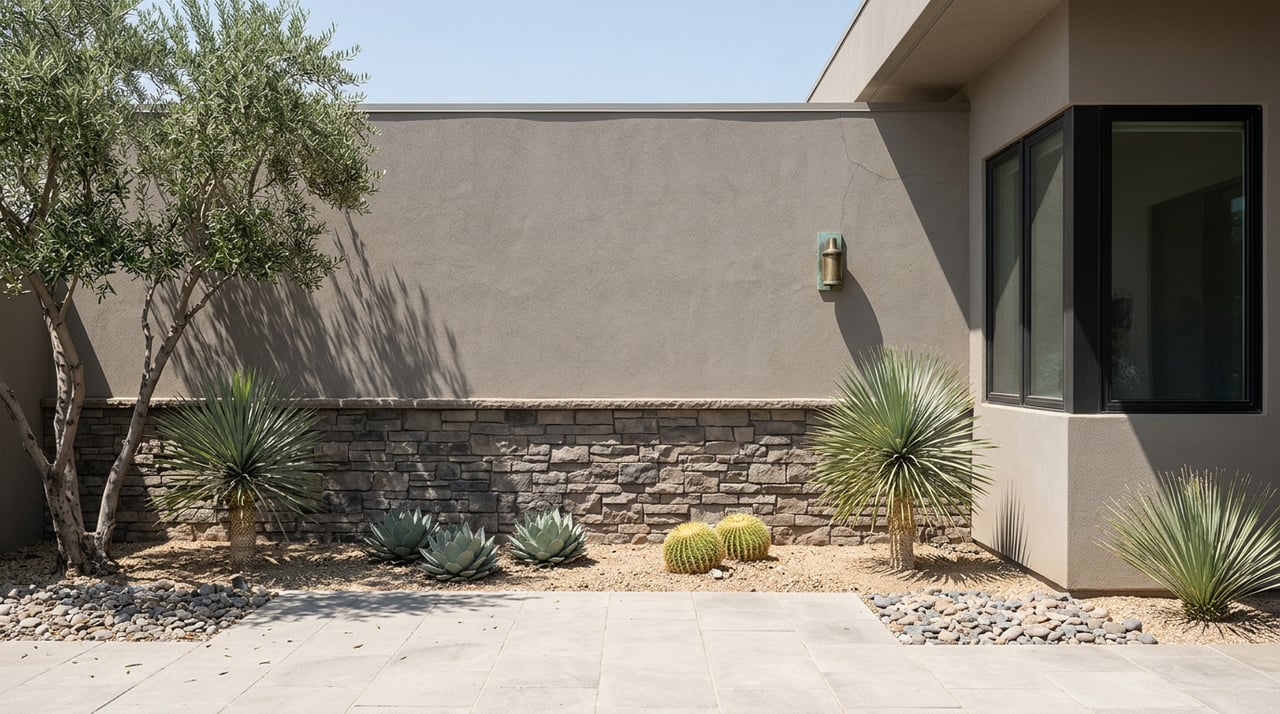
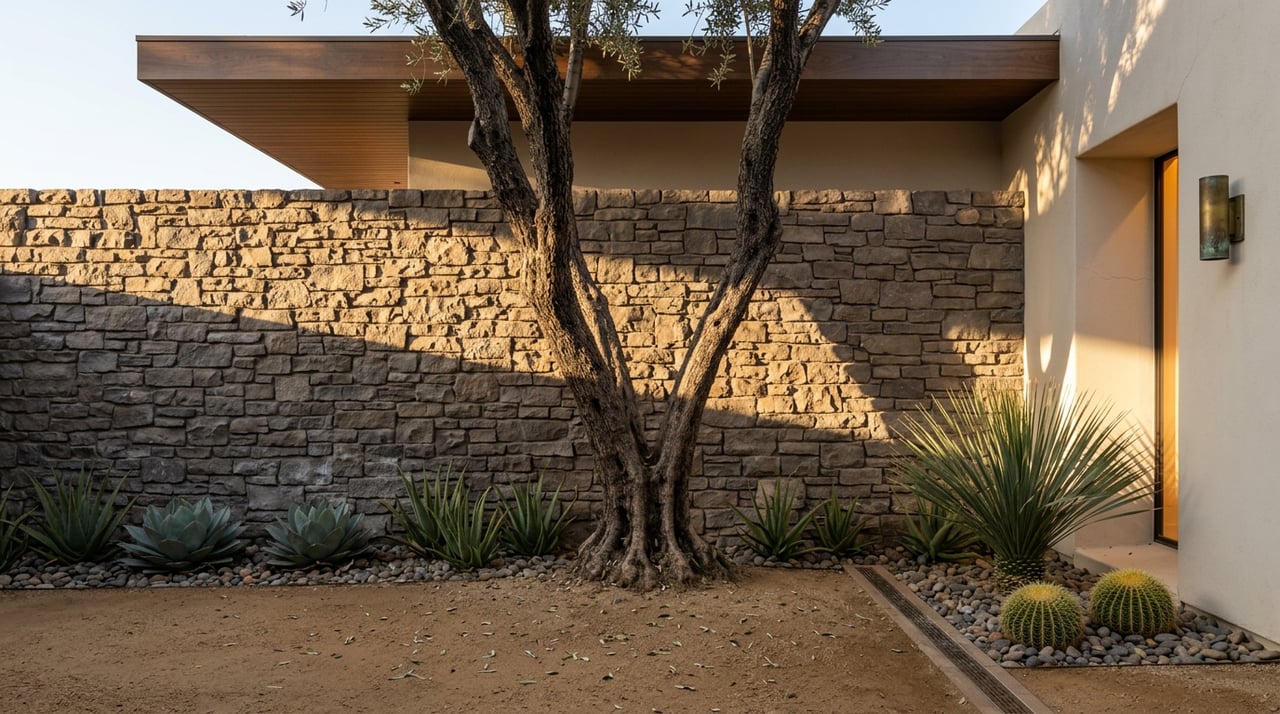
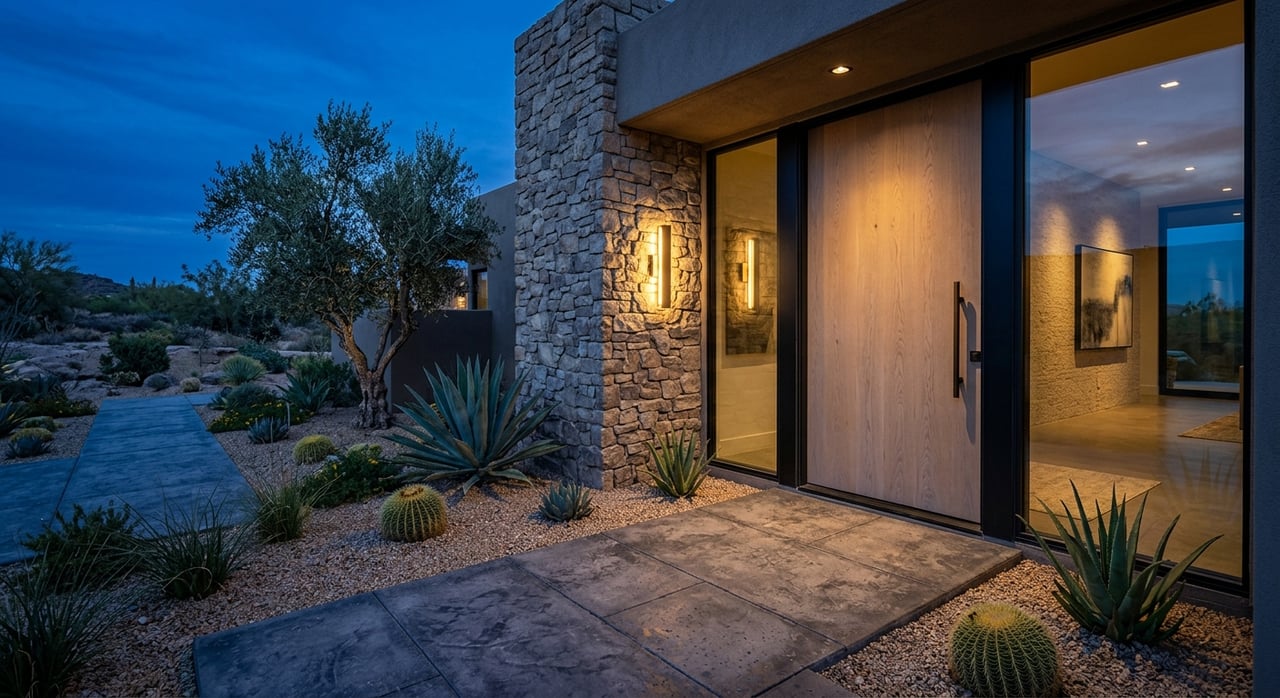
These homes often use restrained materials in a deliberate way. You may see wood, concrete block, steel, glass, and stone-like accents used with very little ornament.
The goal is usually not decoration for its own sake. It is a pared-back, climate-aware, functional style that lets light, structure, and outdoor space do the work.
Palm Springs is not one uniform midcentury market. The city has 52 recognized neighborhood organizations and an official neighborhood map, which makes it easier to understand that the city is a patchwork of distinct areas rather than one single architectural zone.
For a buyer, that matters because your experience can change a lot from one neighborhood pocket to another. Some areas are defined more by architecture, while others are shaped by landscaping patterns, lot feel, or mixed nearby uses.
Several Palm Springs neighborhoods are especially important if architecture is high on your list.
The city describes Vista Las Palmas as a midcentury neighborhood built out by the Alexander Construction Company. It is known for soaring roof lines, minimalist facades, post-and-beam construction, walls of glass, and floorplans that flow from indoors to outdoors.
If you want a neighborhood that strongly reflects the classic Palm Springs modern image, this is often one of the first places buyers look.
Twin Palms is identified by the city as the Alexanders’ first Palm Springs residential development. The homes are generally one story and organized around a square plan, with multiple roofline options.
That gives the neighborhood architectural consistency without making it feel repetitive. It is a good example of how efficient design and visual variety can work together.
Racquet Club Estates is described as post-and-beam midcentury modern with five roofline types, plus features such as carports, breezeways, and clerestory windows. For buyers who want recognizable midcentury details, this neighborhood often checks many of the right boxes.
It also shows how much roof variation is part of Palm Springs modernism. Not every great midcentury home here follows the same formula.
A Palm Springs midcentury home can be rewarding to own, but it helps to go in with clear expectations. The more original the home, the more carefully you should think about maintenance, improvements, and long-term stewardship.
Here are a few practical areas to review early:
These are not small details in the desert. City policies emphasize energy-efficient and green building practices suited to the climate, along with water-conserving appliances and landscaping adapted to local conditions.
One of the biggest ownership factors is whether the home is a regulated historic resource. In Palm Springs, Class 1 and Class 2 historic properties and homes in local historic districts may be subject to formal review for demolition, major alterations, and even some minor alterations.
Depending on the work, approvals may go through the Historic Site Preservation Board or the Historic Preservation Officer. That means your renovation timeline, design choices, and budget may need more planning than they would for a non-historic property.
If you love original details, this can be a benefit because it helps preserve the character that made the home and neighborhood special in the first place. But if you plan to make broad design changes quickly, you should understand the review path before you buy.
This is one of the clearest lessons in Palm Springs midcentury ownership: the more intact the home, the more thoughtful your planning should be.
Palm Springs has an active Mills Act program for qualifying historic properties. The city states that Mills Act tax savings are intended to help owners restore, rehabilitate, preserve, and maintain historic property.
The city’s application materials show the kinds of projects owners commonly address, including roof repair or replacement, cladding repair, painting and finishes, masonry repair, restoration of original features, window-related repairs or replacement, outdated electrical, plumbing, and HVAC systems, structural repairs, drainage work, and energy-efficiency upgrades.
For some buyers, that can be an important part of the ownership equation. It does not remove the need for maintenance, but it can shape how you think about preservation and long-term costs.
If you are serious about buying a Palm Springs midcentury home, try to compare homes through two lenses at the same time. First, ask which architecture you actually love. Second, ask how much preservation sensitivity and upkeep you are comfortable taking on.
That simple framework can help you make better decisions faster. A highly intact home in a historic district may be the right fit for one buyer, while another may prefer a property with fewer constraints and a different update profile.
Bring these questions with you as you compare options:
The goal is not to talk yourself out of a great house. It is to understand whether the home matches your lifestyle, budget, and comfort level as an owner.
Palm Springs midcentury homes offer far more than curb appeal. They reflect a local design language shaped by climate, planning, and a deeply recognizable architectural history. When you understand how these homes were built, how neighborhoods differ, and what ownership may involve, you can buy with more confidence and far fewer surprises.
If you are considering a Palm Springs midcentury home and want a more tailored view of neighborhoods, property fit, and buying strategy across the Coachella Valley, Joint Luxury Group is here to help.
As a dedicated Real Estate Agent, Joseph has seamlessly integrated into the local market, establishing himself as a go-to professional for all Real Estate needs. Whether buying, selling, or investing, Joseph is the trusted ally you can rely on for all your Real Estate endeavors.