Thinking about a guard-gated country club or an open neighborhood in Palm Desert? You are not alone. In a city with golf communities, 55+ developments, condos, and single-family tracts, the right fit depends on how you live day to day and what you want to pay for. This guide breaks down the real trade-offs so you can weigh costs, access, HOAs, water rules, and governance with confidence. Let’s dive in.
Palm Desert market snapshot
Palm Desert offers a wide mix of homes at mid to upper price points, and prices vary by product type. Public sources often report different market figures because they use different methods and time frames. Recent reports showed a median sale price around 635,000 and an index value near 544,000, which highlights how both gated country-club product and open neighborhoods shape this market. The key for you is matching the community model to your budget and lifestyle.
What changes with a gate
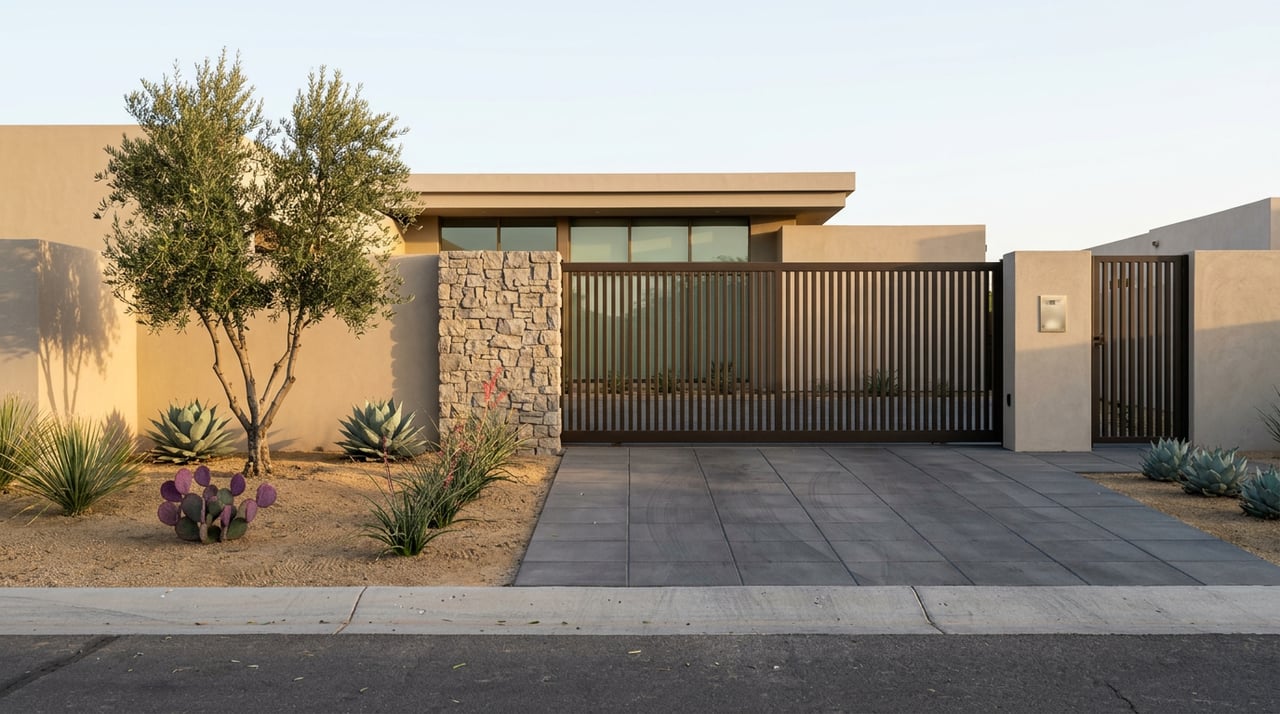
A gate changes how people enter and how the HOA operates. Guard-gated and gated neighborhoods usually have controlled entry points, formal guest procedures, and more shared infrastructure. Open neighborhoods offer direct access for you, your guests, and deliveries without entry procedures. The right choice depends on how much structure you want around access and how you value shared amenities versus monthly costs.
Infrastructure and who pays
In Palm Desert, what sits behind the gate is often privately owned and maintained by an HOA.
- Private vs. public streets. If interior streets are private, the HOA normally covers repairs, resurfacing, lighting, sweeping, and signage. If streets are public, the city typically maintains them and enforces parking. This affects future capital needs and whether special assessments might appear. Ask for the recorded tract map and any maintenance agreements.
- Gate hardware and staffing. Gate arms, intercoms, software, and fencing wear out over time. Guarded gates add ongoing payroll. These costs flow through the operating budget and reserves, which can raise dues or trigger special assessments for big replacements. Your member rights and disclosures are defined by California’s Davis-Stirling Act, which governs budgets, reserves, and records access. Learn more about your rights under California’s Davis-Stirling Act.
Landscaping and water rules
Common-area landscaping is a major expense in the desert. Many Coachella Valley HOAs use recycled water for turf where available, and local agencies offer turf-replacement programs that shape long-term costs.
- Confirm if common areas or golf courses use recycled or non-potable water and who pays for it.
- Ask about irrigation curfews, water-use rules, and any rebates the HOA has secured or plans to pursue.
- The Coachella Valley Water District oversees regional water policy and programs. See CVWD’s overview for local context: About CVWD.
Visitor access and deliveries
Access control affects daily life.
- Guests. Guard-gated entries often require guest lists, call-ins, or temporary codes. Open neighborhoods allow direct, unmediated visits.
- Deliveries. Some gated HOAs ask for pre-authorization or offer package lockers or front-desk pickup. That can simplify security but add steps for large deliveries and moving trucks. Policies vary by community, so confirm the exact process.
- Service providers. Tradespeople may need codes or sign-ins in gated settings. Open neighborhoods generally allow faster, direct access.
HOA governance and your rights
California’s common-interest developments follow the Davis-Stirling Common Interest Development Act. That law sets rules for disclosures, meetings, budgets, reserves, elections, and owner access to records.
- Before you commit, review the CC&Rs, bylaws, operating rules, recent board minutes, current budget, and the latest reserve study. For a practical overview, see FirstService Residential’s guide to the Act: Davis-Stirling guide.
- Enforcement and fines changed in 2025. Assembly Bill 130 updated limits and procedures related to disciplinary actions. Ask how your HOA complies with the July 1, 2025 changes and request the current fine schedule. See a legal summary of the 2025 updates: AB 130 HOA changes.
- Elections and e-voting are evolving. Recent laws allow secure electronic secret ballots with procedural safeguards. Expect more HOAs to adopt digital options. Learn more about requirements here: California HOA election rules.
Insurance and emergency access
A gate does not automatically lower insurance costs. Carriers price risk by many factors, including building type, prior claims, wildfire exposure, and proximity to hydrants. Ask your insurance professional about coverage specifics and community-level requirements.
Emergency access is required, with or without a gate. Palm Desert relies on regional providers for police and fire/EMS, so HOAs must coordinate with public safety agencies to ensure rapid entry.
- Law enforcement is provided by the Riverside County Sheriff’s Office under contract. See the Palm Desert Station.
- Fire and paramedic services are provided through Cal Fire/Riverside County Fire. Learn more on the city’s page: Palm Desert fire and paramedics.
- Ask to see the HOA’s emergency access plan, including any Knox box or rapid-entry procedures.
When guard-gated fits
Guard-gated communities in Palm Desert come in many forms, from large country clubs to 55+ developments and smaller gated enclaves. They often make sense when you want:
- A defined set of shared amenities, such as clubhouses, golf, fitness centers, and multiple pools.
- More managed common areas and exterior maintenance, paired with clear community rules.
- A social program and organized activities that come with the community model.
- An example of a large-scale 55+ option in Palm Desert is Sun City Palm Desert. See the community’s map for scale and amenities context: Sun City Palm Desert map.
When open neighborhoods fit
Open, non-gated neighborhoods can be a better fit if you value:
- Lower monthly dues and less exposure to private-street repairs or gate expenses.
- Simple, fast access for guests, deliveries, and service providers.
- More autonomy over exterior choices and fewer architectural restrictions, depending on any local or voluntary HOA rules.
- Flexibility if you plan to explore rental options and want fewer community-level restrictions.
Your due diligence checklist
Request these items at or before escrow so you can validate costs, rules, and future projects:
- Full recorded CC&Rs, bylaws, and all amendments. Learn what the law requires here: Davis-Stirling overview.
- Current operating budget and most recent year-end financials. See a practical summary of owner rights: Guide to Davis-Stirling.
- Most recent reserve study and the current reserve-fund balance.
- Minutes from the last 12 months of board meetings and any open meeting records on planned capital projects.
- Association insurance certificates and any pending litigation disclosures or special assessments.
- Gate-service and maintenance contracts, including staffing terms if the gate is guarded.
- Recorded tract or parcel maps that confirm whether streets are public or private and who maintains them.
Key questions to ask management or the listing agent:
- Is the street outside my door public or private, and who maintains it? What is the reserve plan for private road repair or replacement?
- What exactly do dues cover: gate operation, guards, landscape, pool, club operations, water for common areas, insurance, security cameras, private roads, or trash?
- Are special assessments planned in the next 12 to 36 months? What has the HOA assessed in the last five years?
- How are guests and deliveries handled? Are there apps, temporary codes, lockers, or front desk procedures? What are gate staffing hours?
- What is the emergency access plan for fire and EMS? See the city’s overview: Fire and paramedics.
- What are the rental or vacation-rental rules?
- What were last year’s financial results and the top three capital projects next on the list?
- How often are open board meetings held, and how can members access records?
Red flags to watch
- No recent reserve study or a low reserve balance with big projects on the horizon.
- Active or recent litigation that could drive assessments or insurance changes.
- Gate or guard contracts with short escape clauses that could spike staffing costs suddenly.
- Delivery rules that create ongoing friction for your routine or any home-based business.
Find your fit in Palm Desert
Choosing between guard-gated and open neighborhoods is not about right or wrong. It is about matching costs, amenities, and daily logistics to your life. If you want a clubhouse lifestyle with planned programming and are comfortable with higher dues, a guard-gated development may fit. If you want streamlined access and fewer recurring costs, an open neighborhood might be better.
If you would like a tailored comparison, curated community options, or help reviewing HOA documents before you write an offer, connect with Joint Luxury Group. Let’s walk through the pros, cons, and fine print together.
FAQs
What is the biggest cost difference between guard-gated and open neighborhoods in Palm Desert?
- Guard-gated communities often have higher dues due to gate hardware, staffing, and larger common-area obligations, while open neighborhoods tend to have lower recurring costs.
How do desert water rules affect Palm Desert HOAs?
- Many HOAs use recycled water for common areas and follow irrigation rules and rebate programs set by the regional water agency, which can shape long-term budgets and landscape choices.
Which documents should I review before buying into a gated community in Palm Desert?
- Ask for CC&Rs, bylaws, rules, budgets, reserve studies, insurance certificates, recent minutes, gate contracts, and recorded maps showing whether streets are private or public.
Do delivery services have trouble entering guard-gated communities in Palm Desert?
- Policies vary; some HOAs require pre-approval, codes, or pickup at a staffed entry, which can add steps for packages, furniture, or moving trucks.
How do emergency services access guard-gated neighborhoods in Palm Desert?
- HOAs coordinate with local public safety to ensure rapid entry using tools like Knox boxes and defined procedures so gates do not delay fire, EMS, or law enforcement.