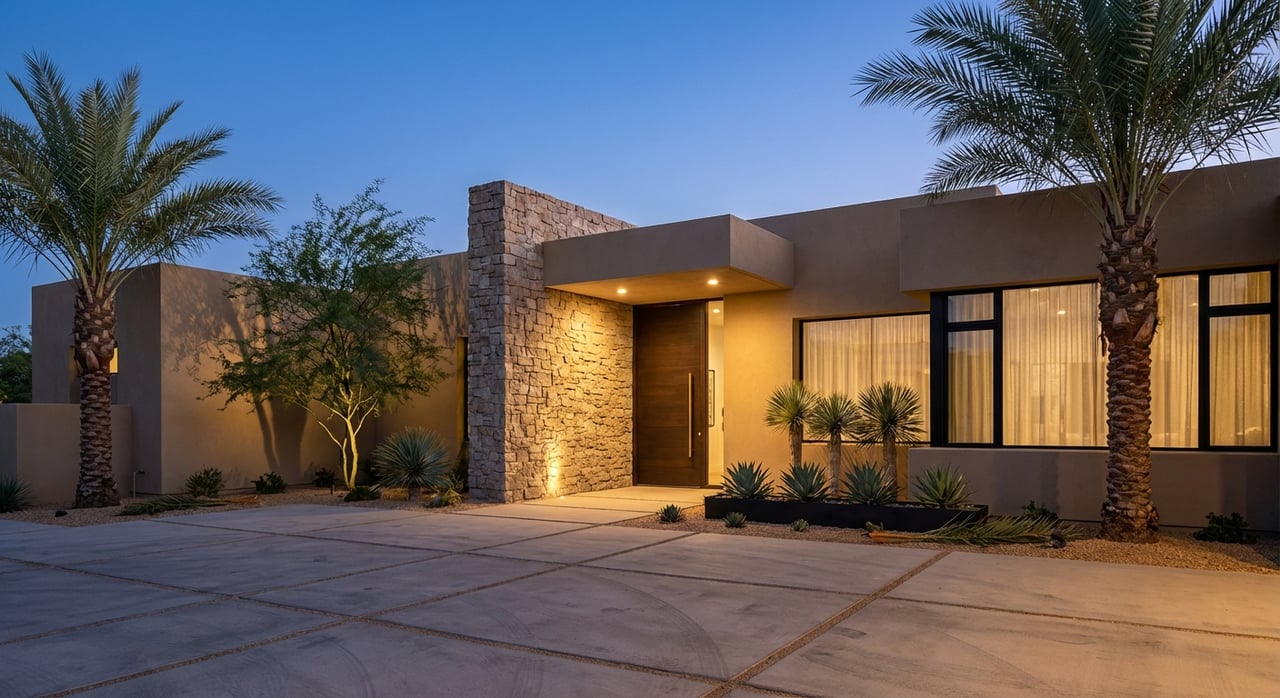
Palm Springs Luxury Market Trends for Second-Home Buyers in 2026
February 19, 2026
February 19, 2026
Thinking about a Palm Springs getaway you can call your own? You are not alone. Second-home buyers are still drawn to the valley’s sunshine, architecture and resort lifestyle, but today’s luxury market rewards a measured, well-informed approach. In this guide, you will see what is happening with pricing and inventory, how local short-term rental rules shape returns, and the simple steps to move from browsing to buying with confidence. Let’s dive in.
The broader Coachella Valley shifted from the rapid, seller-leaning conditions of 2020–2022 to a more balanced pace through 2025 and into early 2026. Inventory recovered from historic lows, and prices generally held most of their pandemic-era gains, though growth cooled as days on market lengthened in many segments. In other words, you usually have more time to compare options and negotiate than you did a few years ago.
At the city level, different data sources tell complementary stories. Zillow’s city index placed Palm Springs around $617,000 as of January 31, 2026, while a separate January 2026 reading based on closed sales showed a median near $705,000. These numbers track the overall city, not the luxury tier, and neighborhood patterns vary widely. Prime pockets closer to downtown and pedigree areas typically trade well above city averages, while other areas track closer to valley medians.
Palm Springs agents and market watchers commonly treat $1 million and above as the start of the luxury segment. Within that, each price band behaves a bit differently.
Why it matters: liquidity tends to decrease as price rises. Turnkey, design-forward homes in great locations often move faster and hold values well. Properties that need work or lack standout features can sit longer, creating negotiation room.
Second-home interest remains steady from Los Angeles, Orange County, the Bay Area and Arizona buyers who want a lifestyle retreat with potential rental flexibility. Palm Springs’ architecture, privacy and convenient air access through PSP continue to anchor demand. In a more balanced 2026 market, you can usually tour a wider set of listings before making an offer, especially outside peak months. Exceptional or fully renovated luxury homes still draw quicker offers.
Short-term rental rules are a defining factor in Palm Springs. If rental income is part of your plan, build your search around compliance from day one.
Palm Springs runs a detailed vacation rental certificate program with operational rules, safety standards, and neighborhood-level caps that limit the number of certificates that can exist in each area. The city posts current requirements, forms and updates on its official vacation rental information page. A key rule is the neighborhood density cap. In many areas, once a set percentage of homes are permitted, the city will not approve new certificates. That makes existing, permitted properties more valuable to buyers who need legal rental use.
Permit types and contract limits affect how often you can host each year. Newer permits may allow fewer annual rental contracts than grandfathered permits, and there is also a limited “junior” permit option with even fewer contracts. Because these limits change over time, confirm the exact rules and permit type during due diligence using the city’s official resources on the vacation rental information page and the application checklist for a vacation rental certificate. Operating without a valid permit invites heavy fines and potential revocation.
Short stays are subject to the city’s Transient Occupancy Tax and the Greater Palm Springs Tourism Business Improvement District assessment. Owners typically collect a combined local amount around 12.5 percent on eligible bookings. For official details on the assessment and how it applies, review the city’s page on the Tourism Business Improvement District. Some platforms collect and remit taxes, but the owner remains responsible for proper registration and compliance.
If your target property is within an HOA, confirm whether short-term rentals are allowed and what restrictions apply. The city’s permit program also requires proof of liability insurance at specific thresholds. You can reference the city’s current insurance and documentation requirements in the vacation rental certificate materials, then have your insurance advisor tailor coverage if you plan to host.
Second-home loans follow stricter guidelines than primary-residence mortgages. Lenders often require higher down payments, stronger credit, documented cash reserves and slightly higher rates.
For an at-a-glance rate context and common underwriting standards, review a national tracker like Bankrate’s guide to second-home mortgage rates. Then have a local lender price your specific scenario.
Suppose you target a $1.5 million home in the entry-to-upper luxury range:
Build your model with conservative occupancy and contract limits if you plan to host. This keeps projections realistic and reduces surprise costs.
A smart second-home search in Palm Springs focuses on the property’s use case and the rules that follow it.
When you are buying a luxury second home, you deserve a single, accountable advisor who understands neighborhood nuances, STR compliance and negotiation strategy. As a boutique, founder-led brokerage backed by Compass tools, we help you narrow the field to on-target listings, validate permit status and HOA rules, and price the right offer using current local data. We also coordinate inspections, insurance guidance and vendor introductions so your closing feels smooth, not stressful.
Ready to explore Palm Springs with a clear plan? Let’s talk about your goals and map the best path to a home that fits your lifestyle. Joint Luxury Group is here to help.
As a dedicated Real Estate Agent, Joseph has seamlessly integrated into the local market, establishing himself as a go-to professional for all Real Estate needs. Whether buying, selling, or investing, Joseph is the trusted ally you can rely on for all your Real Estate endeavors.